

Lessons Learned about Kazakhstan’s Food Sustainability
By Kathleen Pokrud
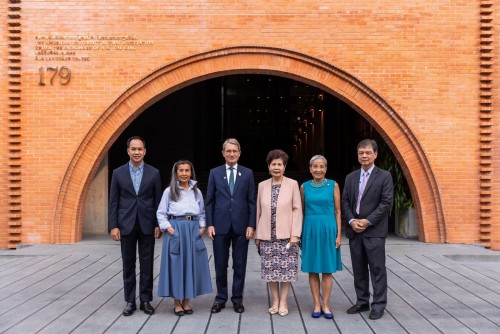
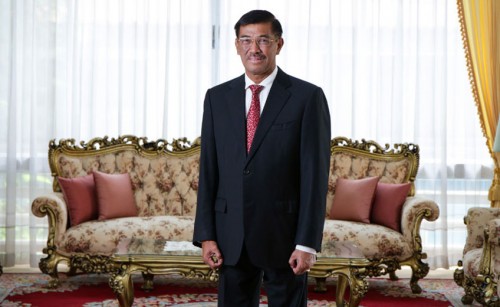
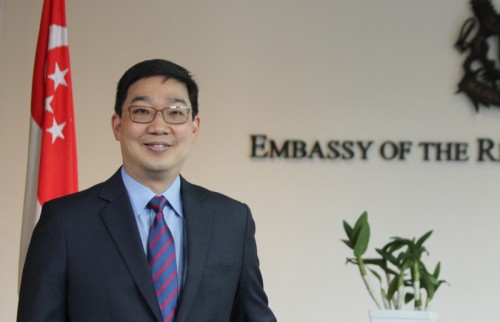
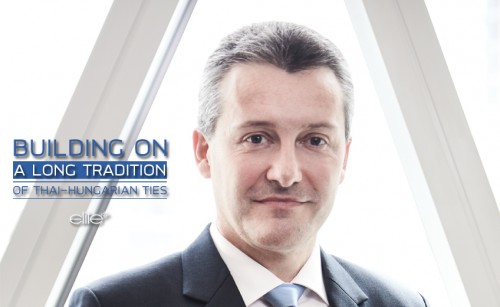
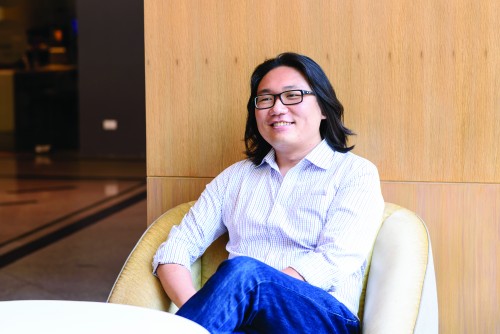
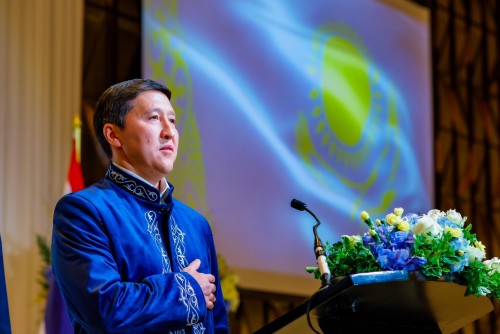
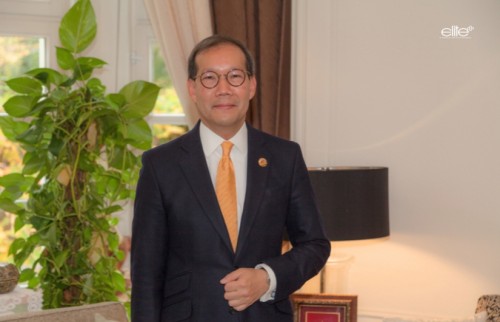
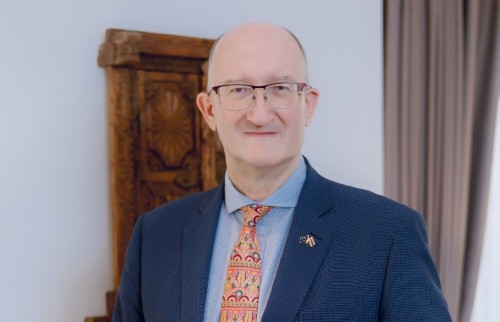
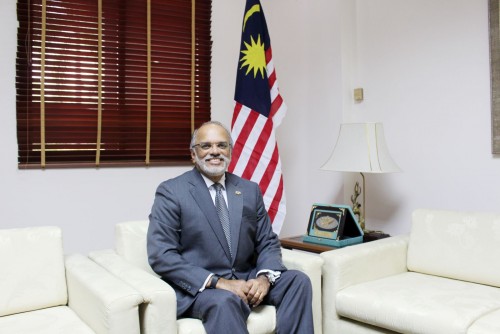
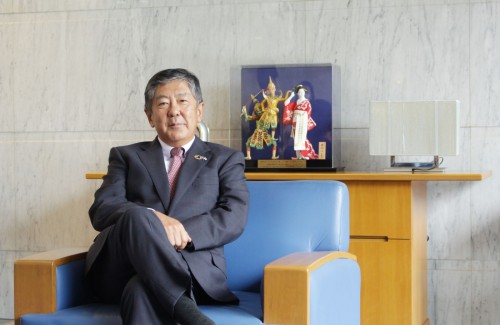
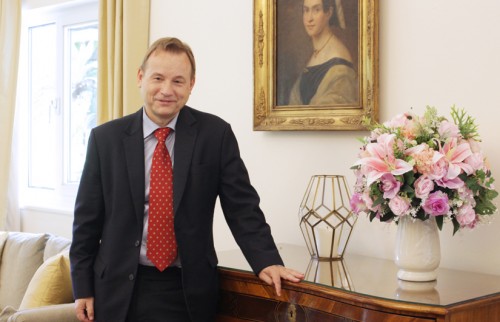
Photo courtesy of the Embassy of Kazakhstan
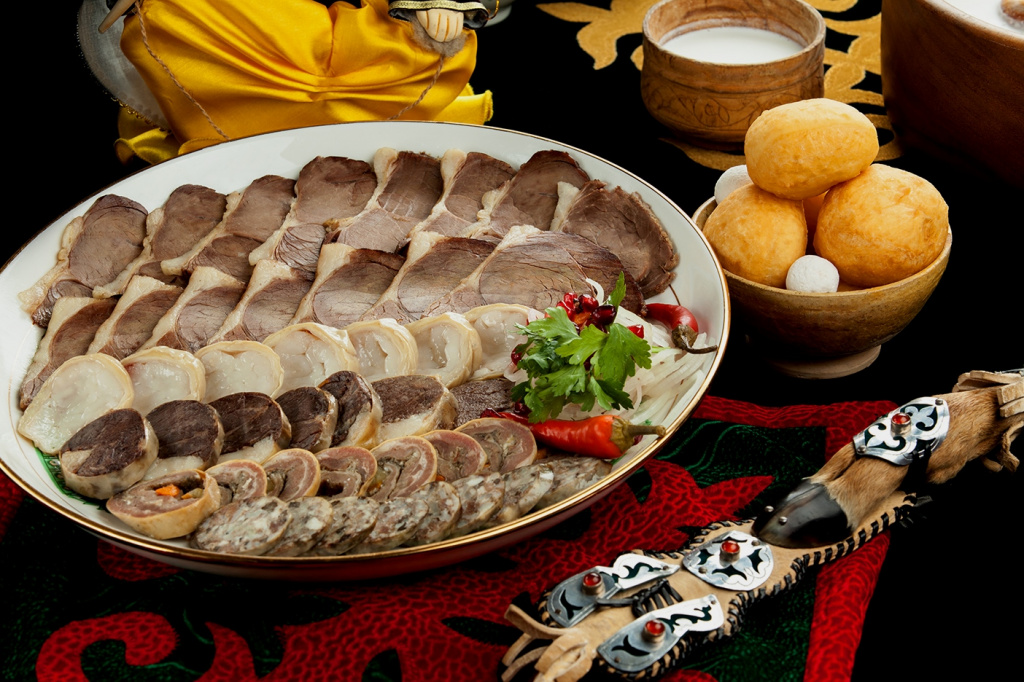
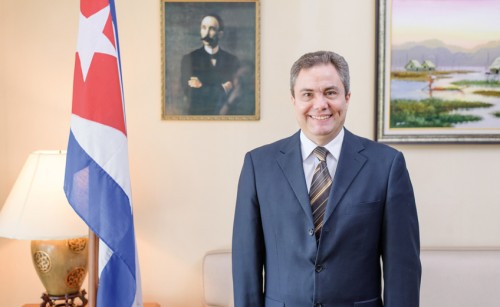
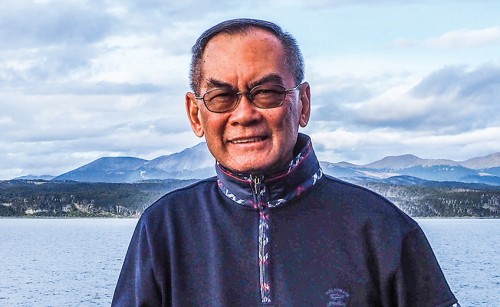
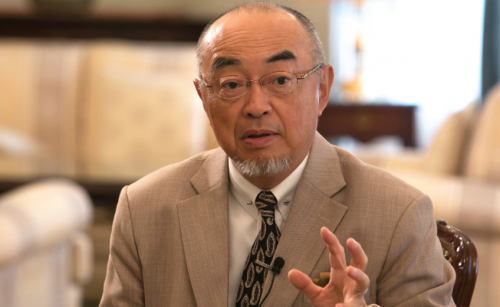
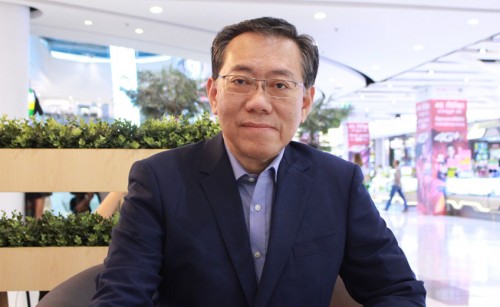
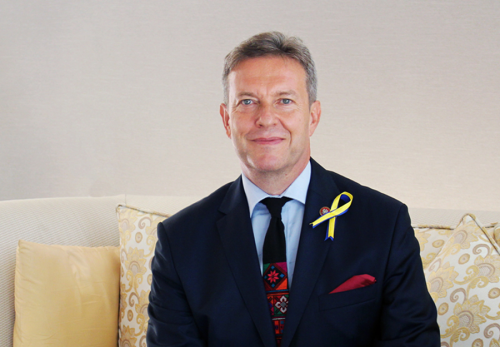
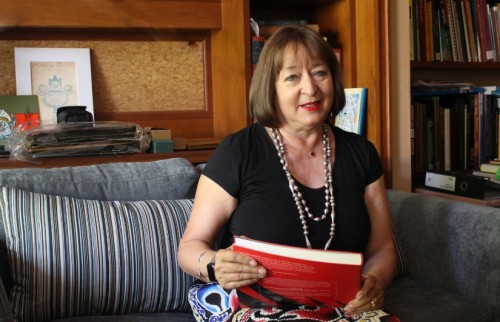
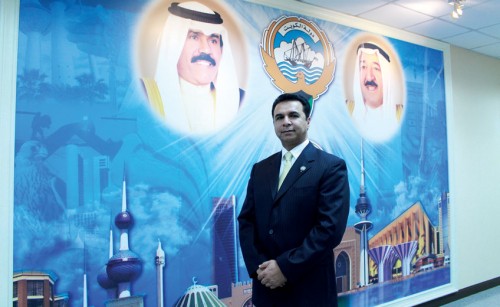
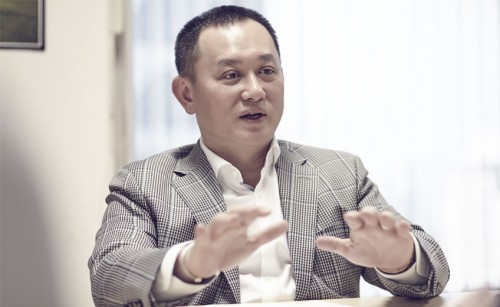
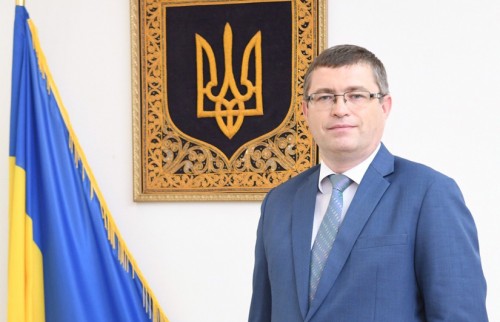
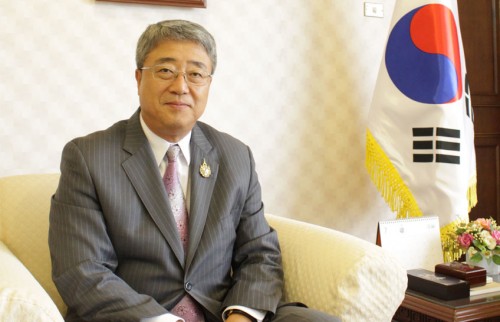
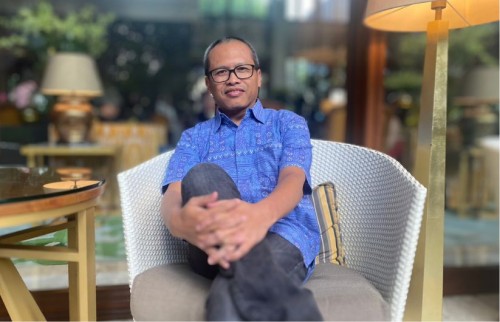
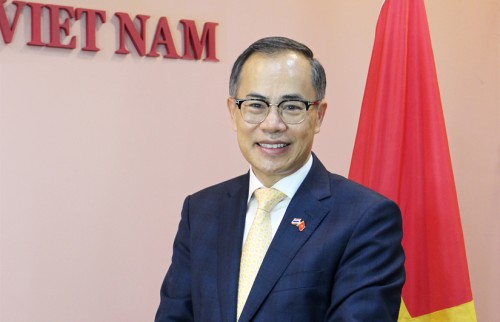
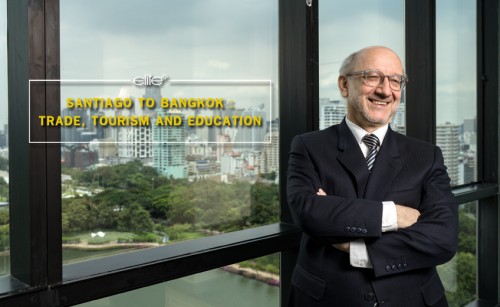
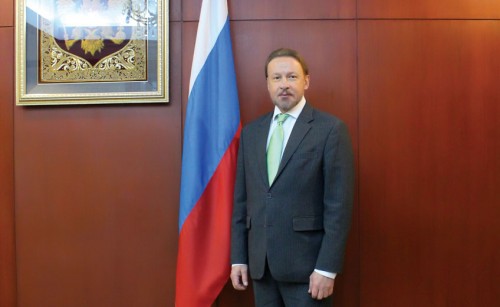
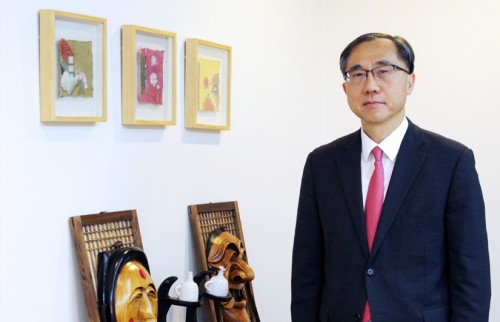
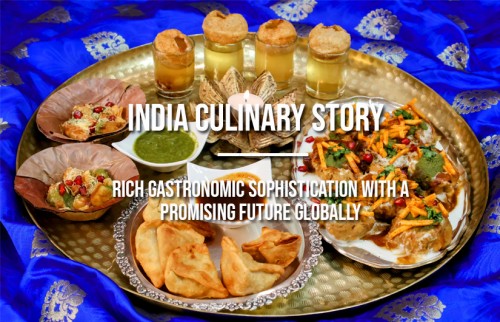
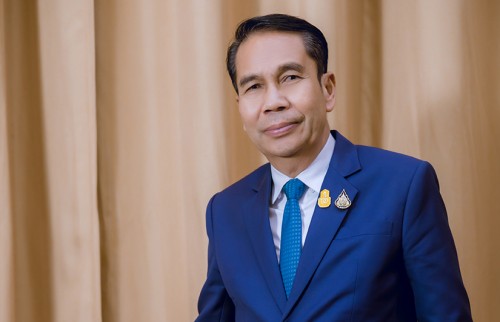
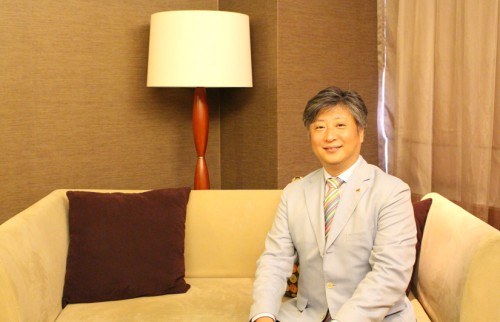
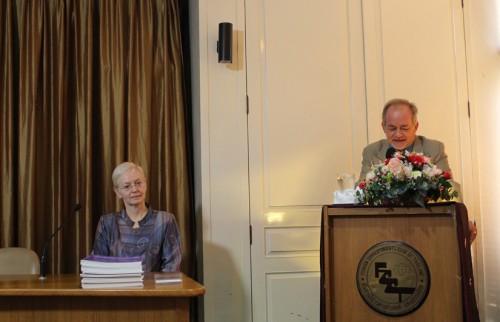
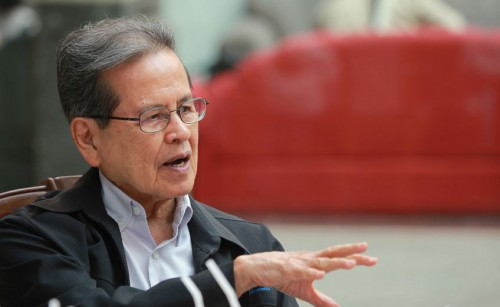
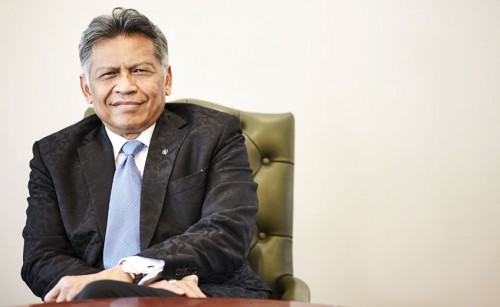
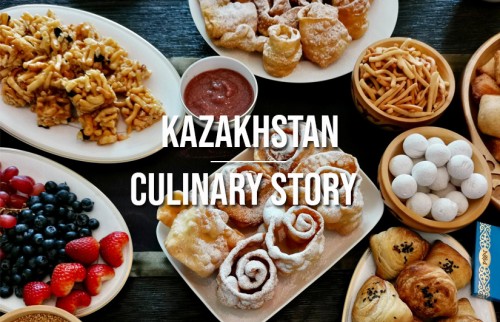
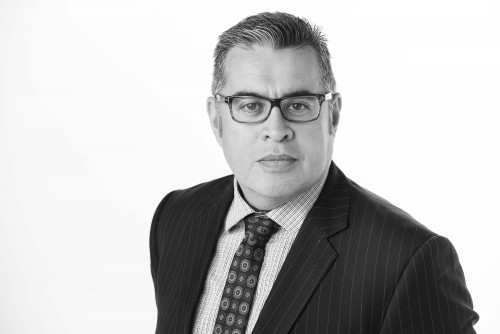
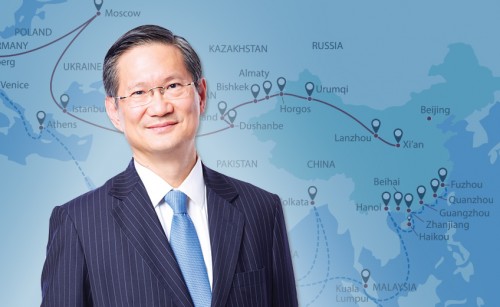
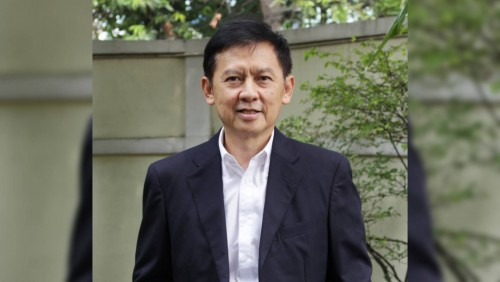
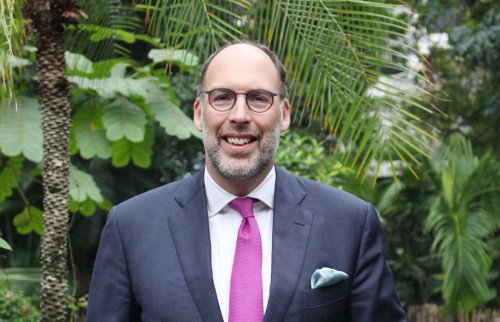
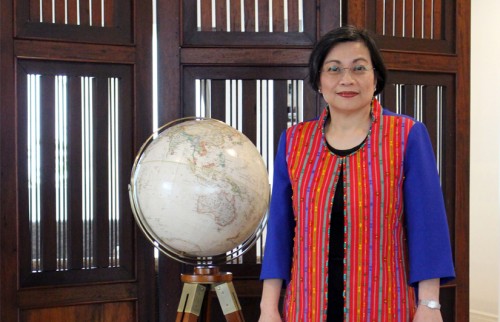
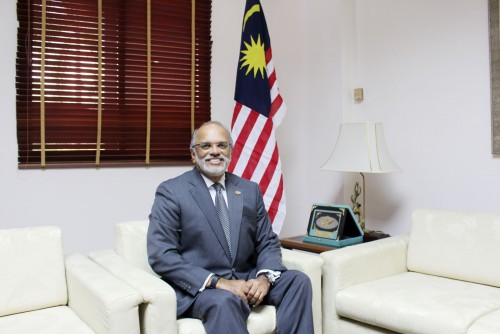
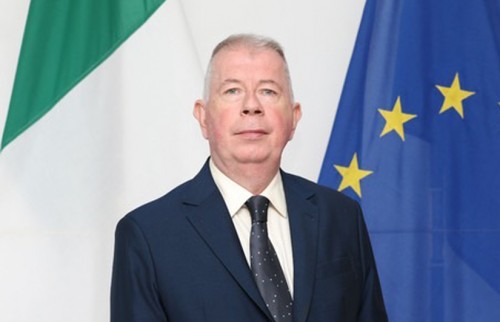
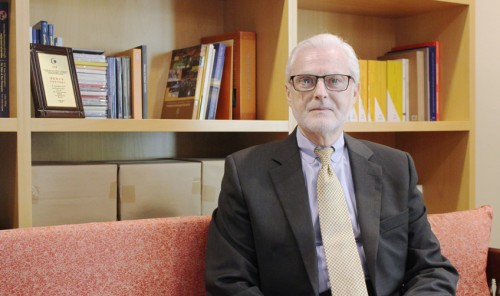
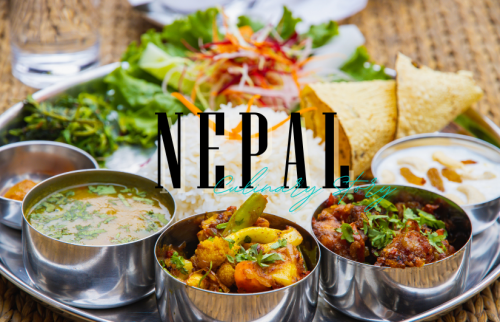
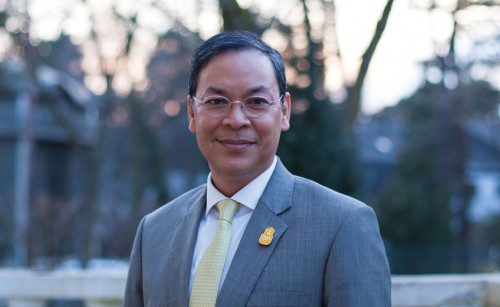
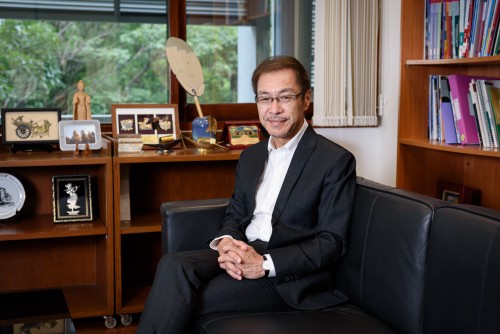
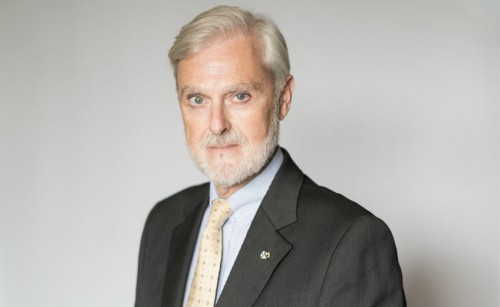
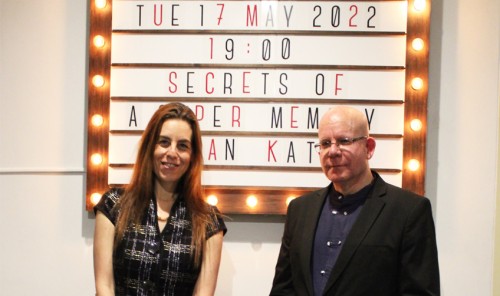
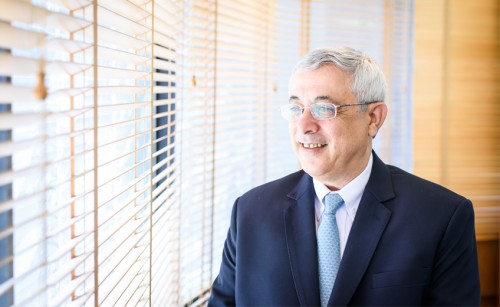
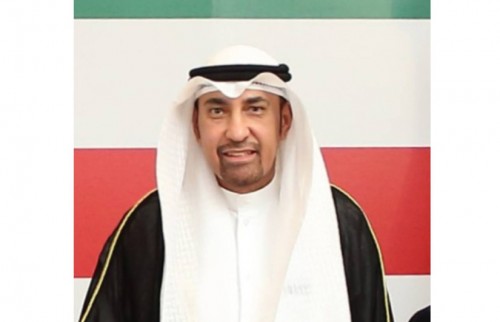
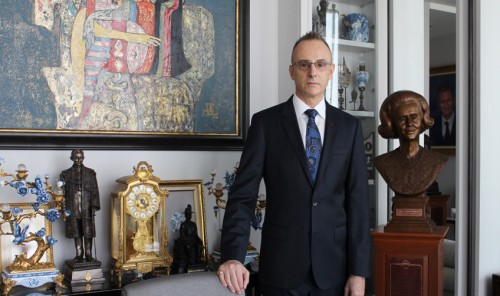
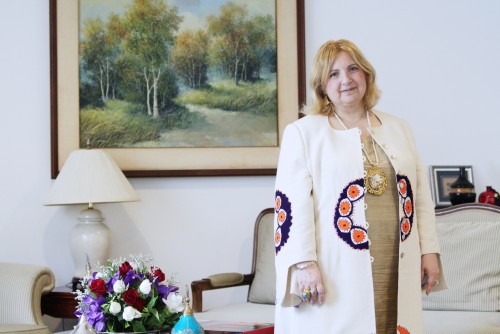
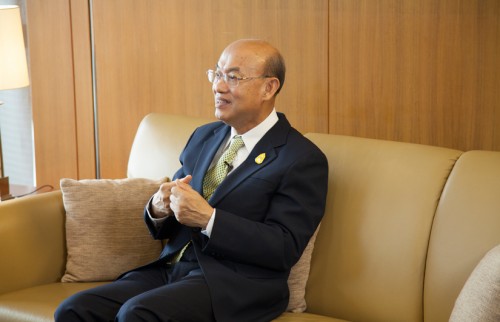
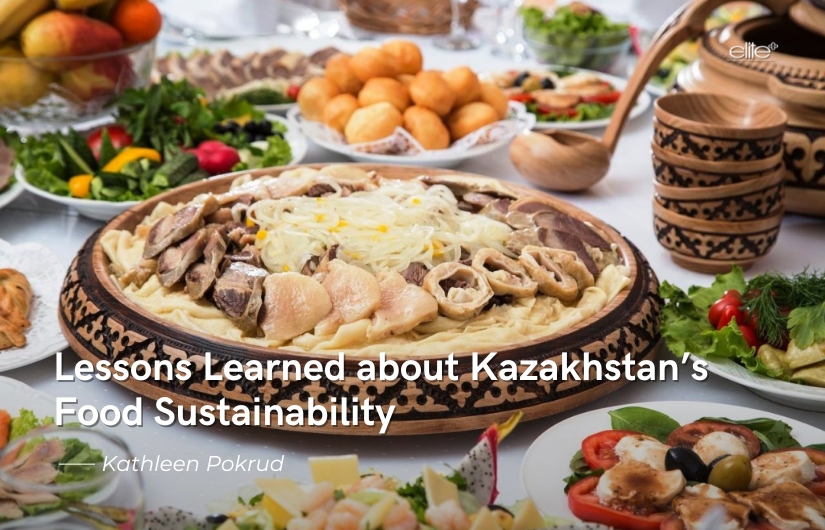
The development of food security and the agro-industrial complex is a strategic priority for Kazakhstan. In “Global Culinary Stories”, Kazakh cuisine was featured (https://www.eliteplusmagazine.com/Article/730/Kazakhstan_Culinary_Story). For this article, I sat down with HE Ambassador Margulan Baimukhan to hear what his country has learned about food sustainability.
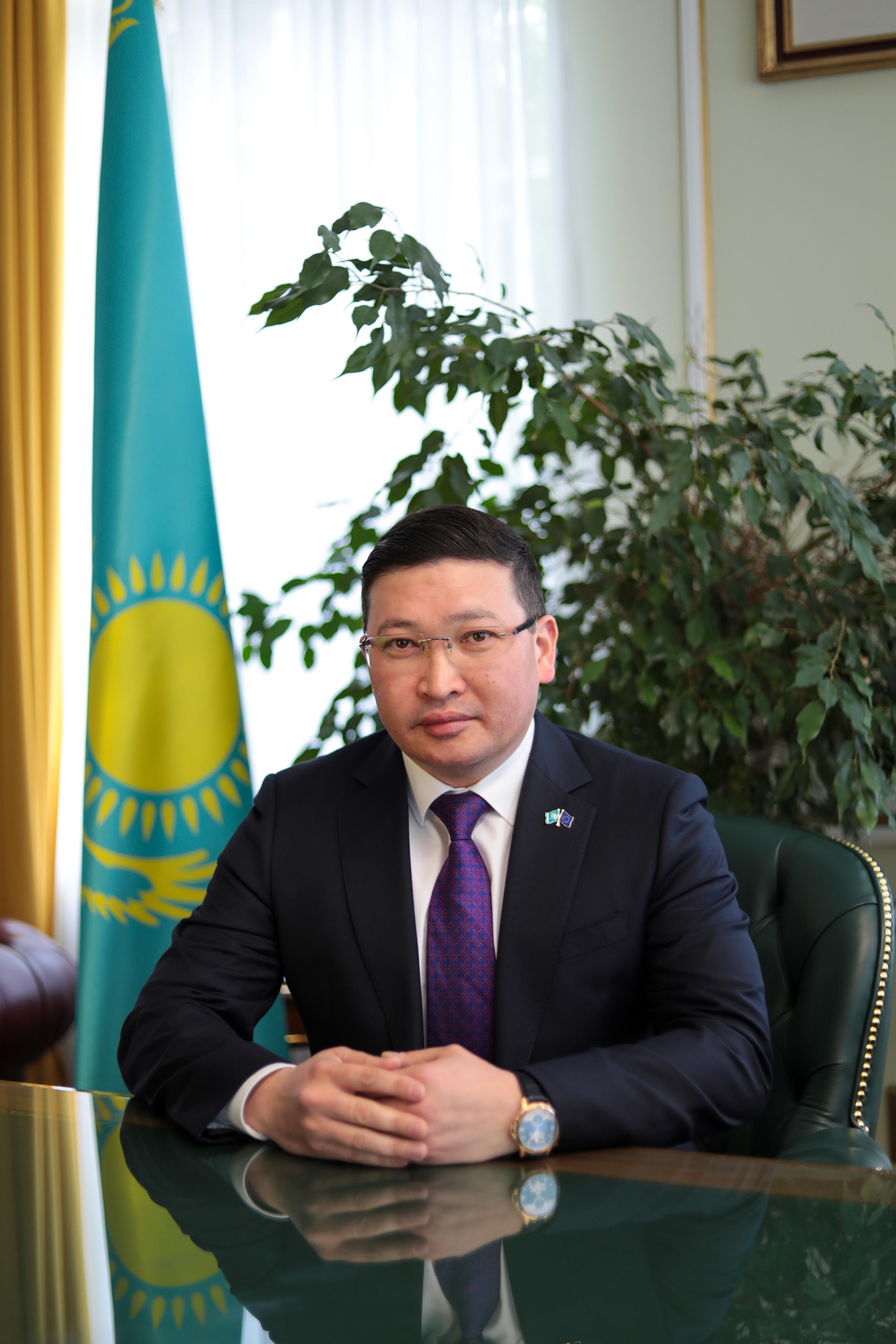
Ambassador Margulan admitted that amid global price volatility, climate change and logistical challenges, ensuring reliable domestic food supply has become especially important. “This issue is consistently raised at the level of the President of Kazakhstan, Kassym-Jomart Tokayev, and is reflected in key government policy documents.
“Government attention to this sphere is clearly visible. In 2022, Kazakhstan adopted the Plan for Ensuring Food Security of the Republic of Kazakhstan for 2022-2024. The plan outlined measures that focused on food accessibility, affordability and quality and safety. Food security has become a priority rather than a secondary social issue. The importance of the topic can also be seen in national security legislation, where food security is defined as the state’s ability to guarantee stable access to sufficient and safe food for the population. Since then, the issue has remained present in government programs, public speeches and budget decisions.
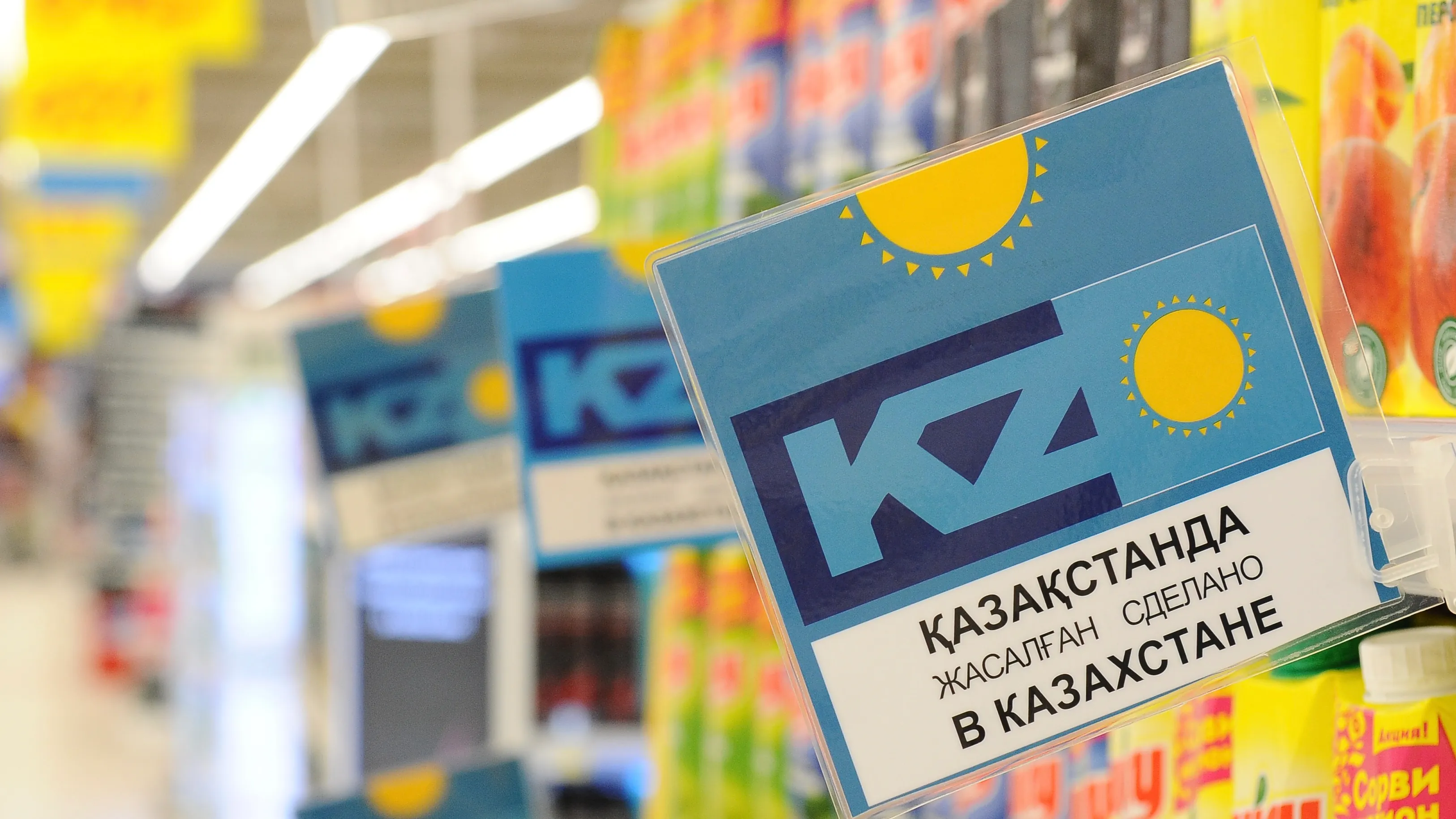
“Last year, Kazakhstan ranked 32nd out of 113 countries in the Global Food Security Index, a relatively strong position while, at the same time, underscoring the need for continued reforms. In recent years, the sector has been undergoing deep transformation, including the introduction of modern agricultural technologies, digitalisation of the agro-industrial complex, diversification of production and improvement of water resource management.
“These measures show a shift from focusing only on immediate production results towards building a more stable and resilient food system in the long-term.”
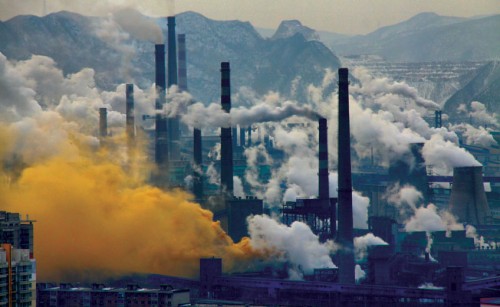
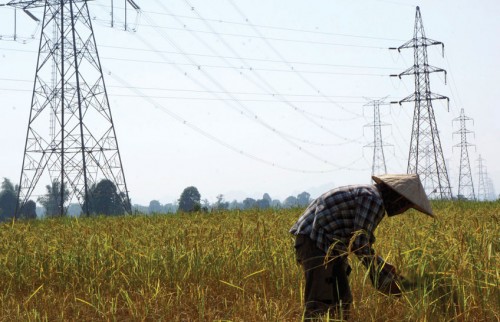
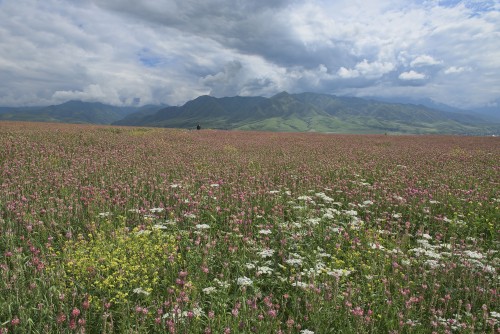
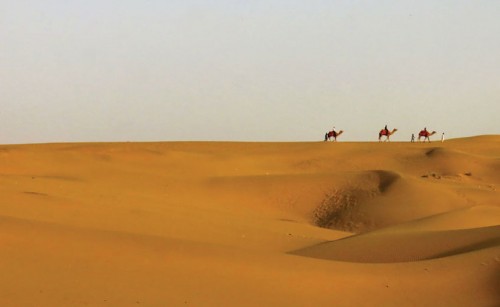
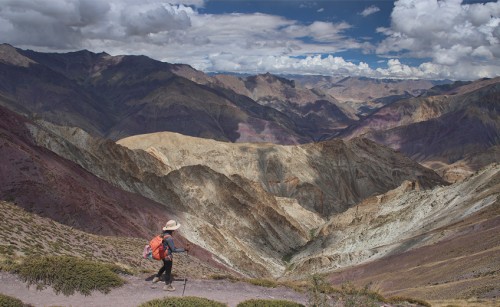
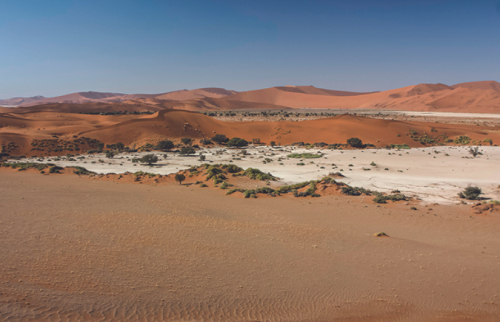
Ambassador Margulan acknowledged that Kazakhstan faces serious environmental challenges that complicate the transition to sustainable and regenerative agriculture. He elaborated, “The country’s considerable size and continental climate create natural challenges such as soil erosion, salinisation and desertification. These factors affect significant portions of farmland while water scarcity remains one of the most pressing problems. It is estimated that over 30% of our land has already been degraded, mainly due to past farming practices and outdated irrigation systems. This makes it harder to combine high production levels with environmental protection.
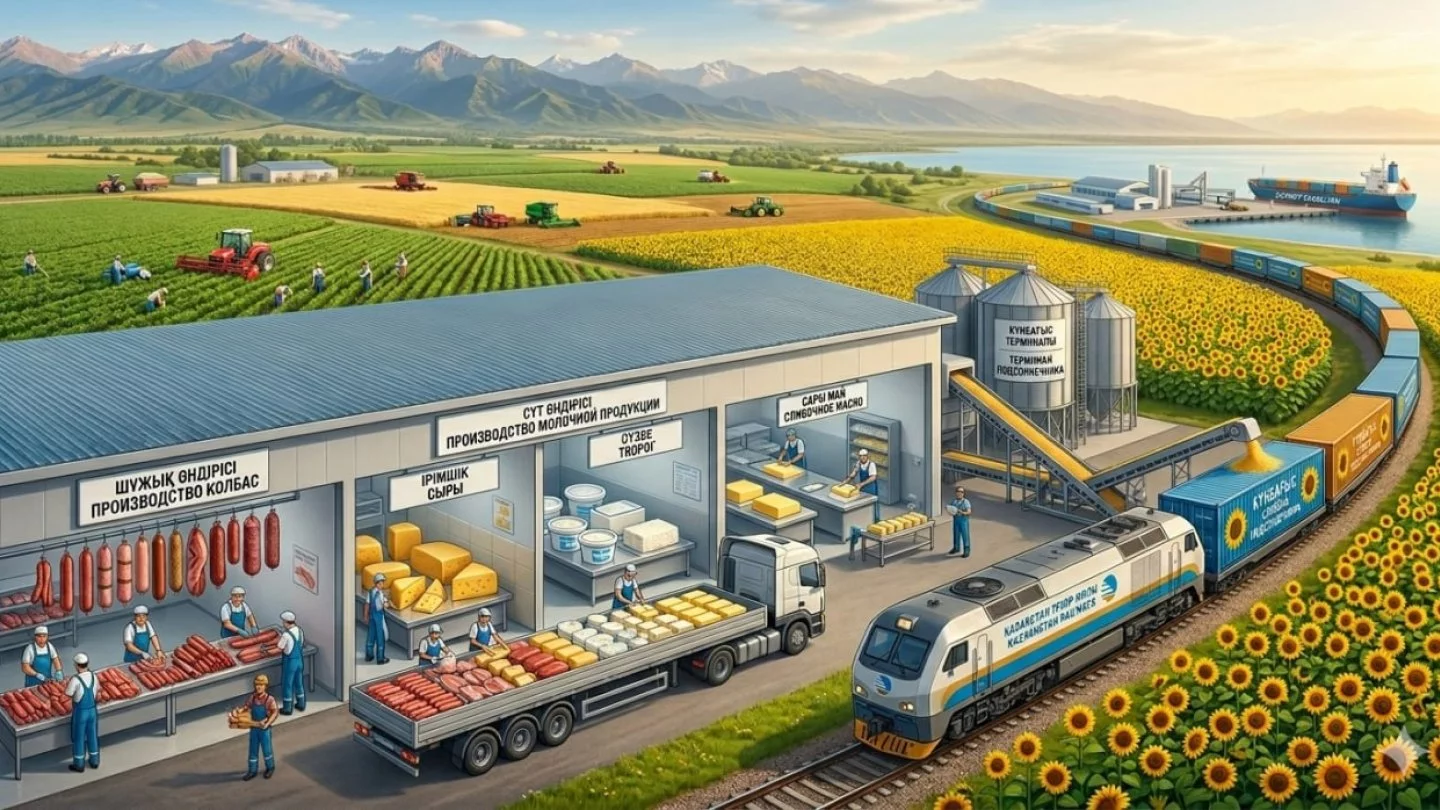
“Kazakhstan faces a challenging choice between the need to increase output and the need to protect natural resources. Conventional agriculture in the form of large scale irrigation and intensive crop production consumes large volumes of water and often depends heavily on chemical fertilisers and pesticides. Practices such as crop rotation, organic farming and precision agriculture are vital; however, they require both technology and innovative economic incentives that the government needs to provide.”
The Government of Kazakhstan is implementing a comprehensive and systemic policy aimed at strengthening food sustainability. Ambassador Margulan explained, “The foundation is the Concept for the Development of the Agro-Industrial Complex for 2021–2030 and the Development Plan through 2027 to match the broader national strategy of transition to a green economy and meeting Carbon Net Zero plans.
“Special emphasis is placed on modernising water management infrastructure, introducing water-saving technologies and deploying digital solutions. In 2025, the Tasqyn Flood Forecasting and Modeling System was launched and integrated with the international GloFAS platform, enabling better risk management for agriculture.
“State support for the sector remains substantial. In 2024, concessional financing amounted to 580 billion tenge while in 2025, it reached approximately one trillion tenge. Over the past decade, state support for farmers has increased tenfold. Since 2025, a new subsidy model has been introduced, linking government support to reciprocal commitments, thereby, improving transparency and efficiency.”
Ambassador Margulan proudly shared that there are grassroots and private sector involvement on food sustainability. He cited some examples, “A significant number of initiatives are being implemented with active participation from farmers, cooperatives and private businesses. Kazakhstan has been developing a network of digital farms. Over the past five years, their number has increased nearly sixfold, exceeding 200 enterprises. These are essentially ‘farms of the future’, where advanced technologies are widely applied.
“In livestock production, a meat cluster model inspired by Australian practices is being introduced, bringing together small farms into a unified production chain. In the dairy sector, private companies are actively investing in the construction and expansion of commercial dairy farms, supported by concessional financing.

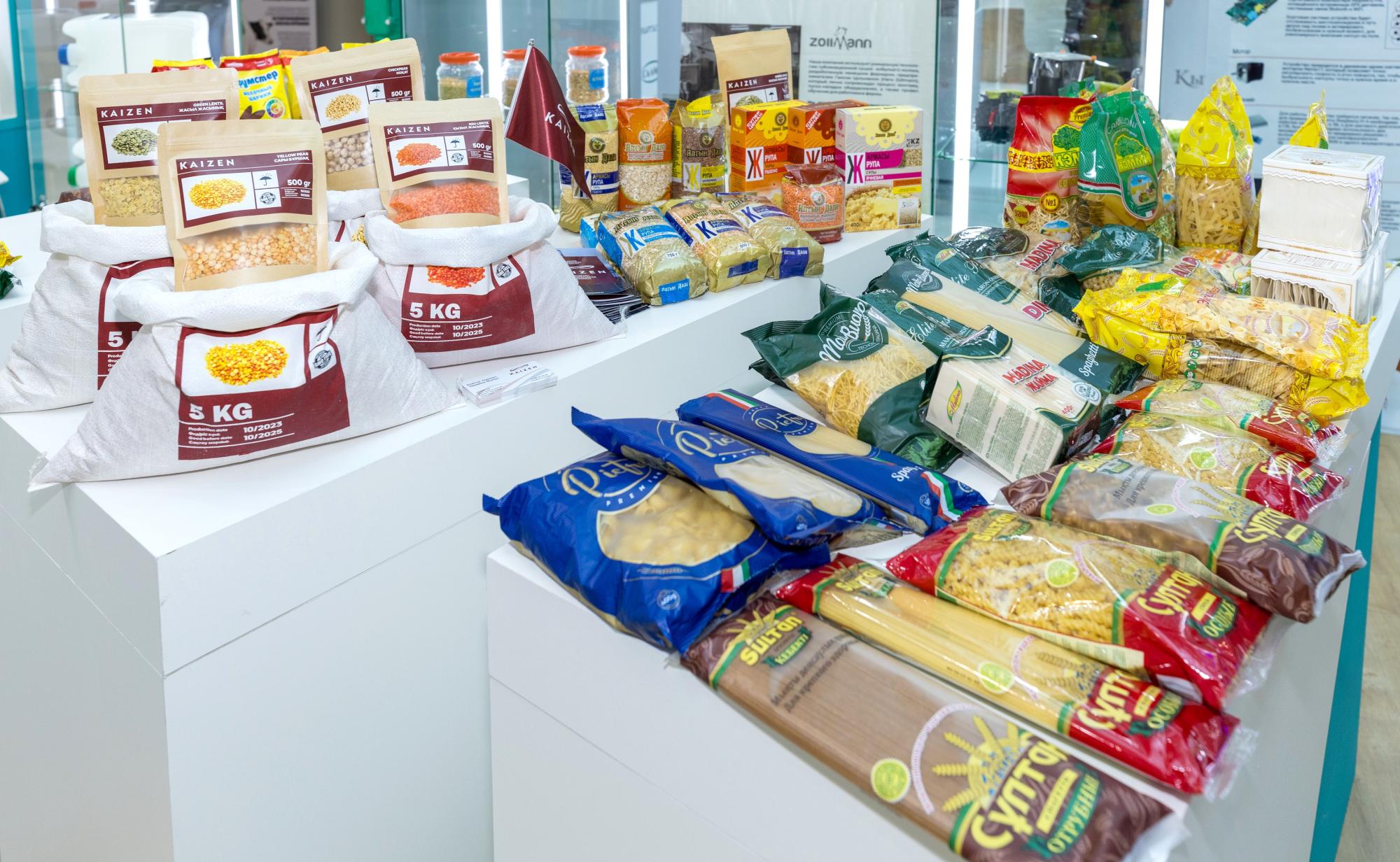
“Processing enterprises are also investing in modernisation, more intensive processing and quality improvements, targeting both domestic and export markets.”
Ambassador Margulan explained that there has been an initiative for the strengthening of food self-sufficiency and reducing dependence on food imports, especially concerning future developments in research. “Further improvements of the agro-industrial complex are envisaged in the Phased Development Plan for 2026-2030, which is currently under preparation. Its key priorities include expanding processing capacity, increasing export potential, improving the efficiency of land and water use, and scaling up digital and smart technologies.
“In line with the President’s directive to transition toward a ‘progressive agro-economy’, plans include the establishment of regional agro-hubs, modern logistics centres and projects focused on deep processing. Particular attention will be given to livestock development, feed production, workforce training and the resilience of small and medium-sized farms. International cooperation with development organisations such as UNDP supports these efforts and helps introduce new technologies and management approaches.”

On the regional or global level, Ambassador Margulan reiterated that Kazakhstan views food security not only as a national objective, but also as a key component of regional and global stability. “The country aims to strengthen its position as a reliable supplier of high-quality and environmentally friendly agricultural products that meet international standards.
“The development of export logistics, participation in international transport corridors, diversification of export destinations and the creation of national food brands are seen as important tools for integration into global food supply chains. In the context of global uncertainty, Kazakhstan believes that long-term planning, predictable policies and responsible management of natural resources are essential foundations for a sustainable future.”